1 min. read
How Long Does Pool Installation Take? What to Expect
Anyone planning a new pool wants it ready as soon as possible. That is why pool installation time is one of the first questions homeowners ask. The answer depends on the pool type, the site conditions, the weather, and how well the project is prepared before work begins. In most cases, fiberglass offers a faster and more predictable route than pool types that are built step by step on site.
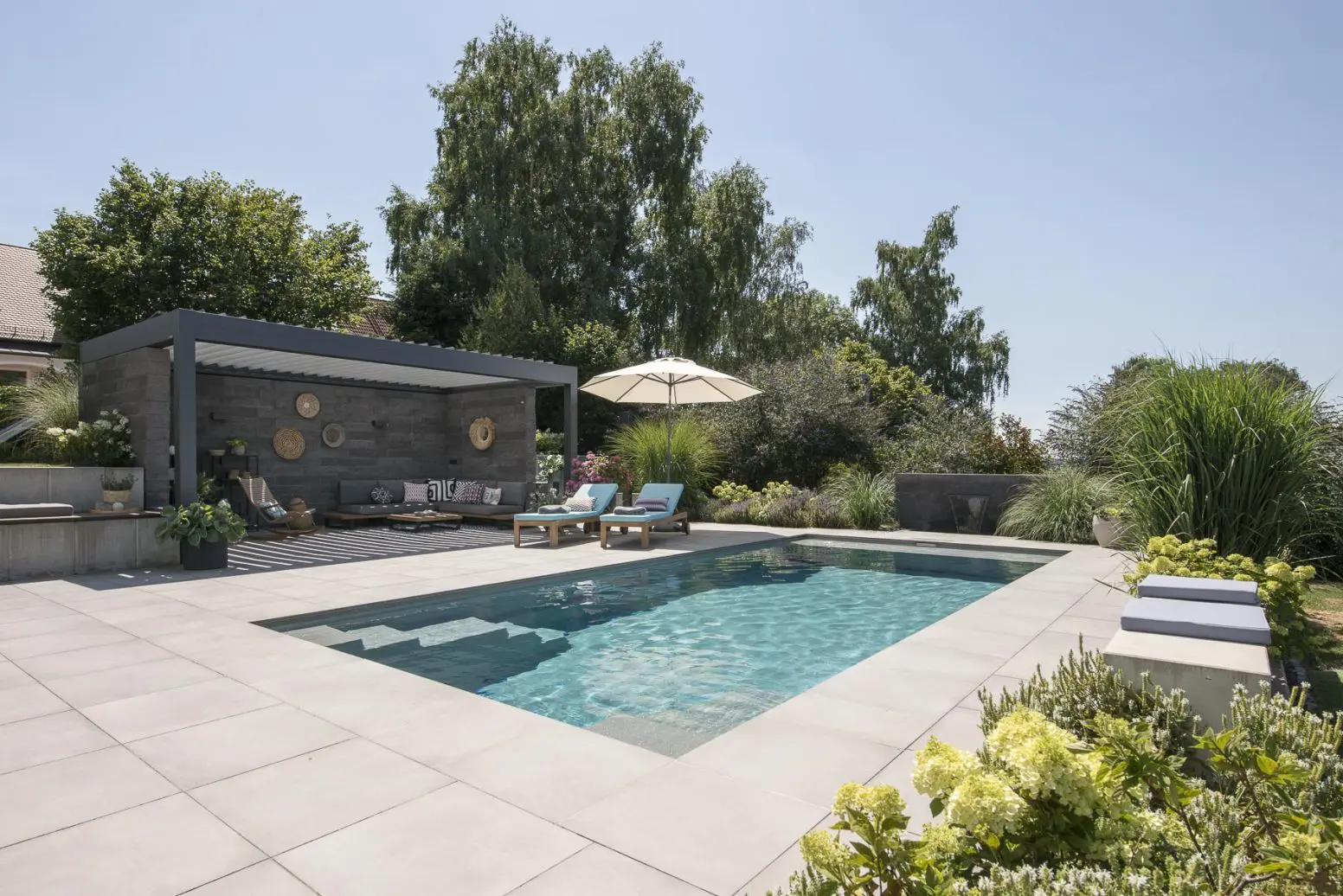
Average Pool Installation Time
If you are asking how long to install a pool, the short answer is that the process can take anywhere from a few weeks to several months. The biggest difference comes from the pool type and from how much work must happen directly in the yard. That is why installation speed should be part of the buying decision, not just design and budget.
Fiberglass Pool Installation Timeline
Fiberglass pools are among the fastest options available. When the project is well prepared, access is simple, and no major complications appear, installation often falls around two to four weeks. This is one of the main reasons many homeowners choose fiberglass over slower alternatives.
Concrete Pool Installation Timeline
Concrete pools take longer because they are built directly on site. Each phase depends on the previous one, and the materials also need time to cure properly. In practice, concrete projects often stretch into a timeline of three to six months.
Vinyl Pool Installation Timeline
Vinyl pools sit between fiberglass and concrete in terms of speed. They are usually faster than concrete, but they still require more on site work than a finished fiberglass shell. For homeowners, that makes vinyl a middle ground option rather than the fastest path to a finished pool.
Step by Step Pool Installation Process
The pool installation process starts long before excavation begins. When homeowners understand each phase, they can plan their timeline better, prepare the site properly, and avoid unnecessary delays. A smooth project usually comes from good sequencing rather than last minute decisions.
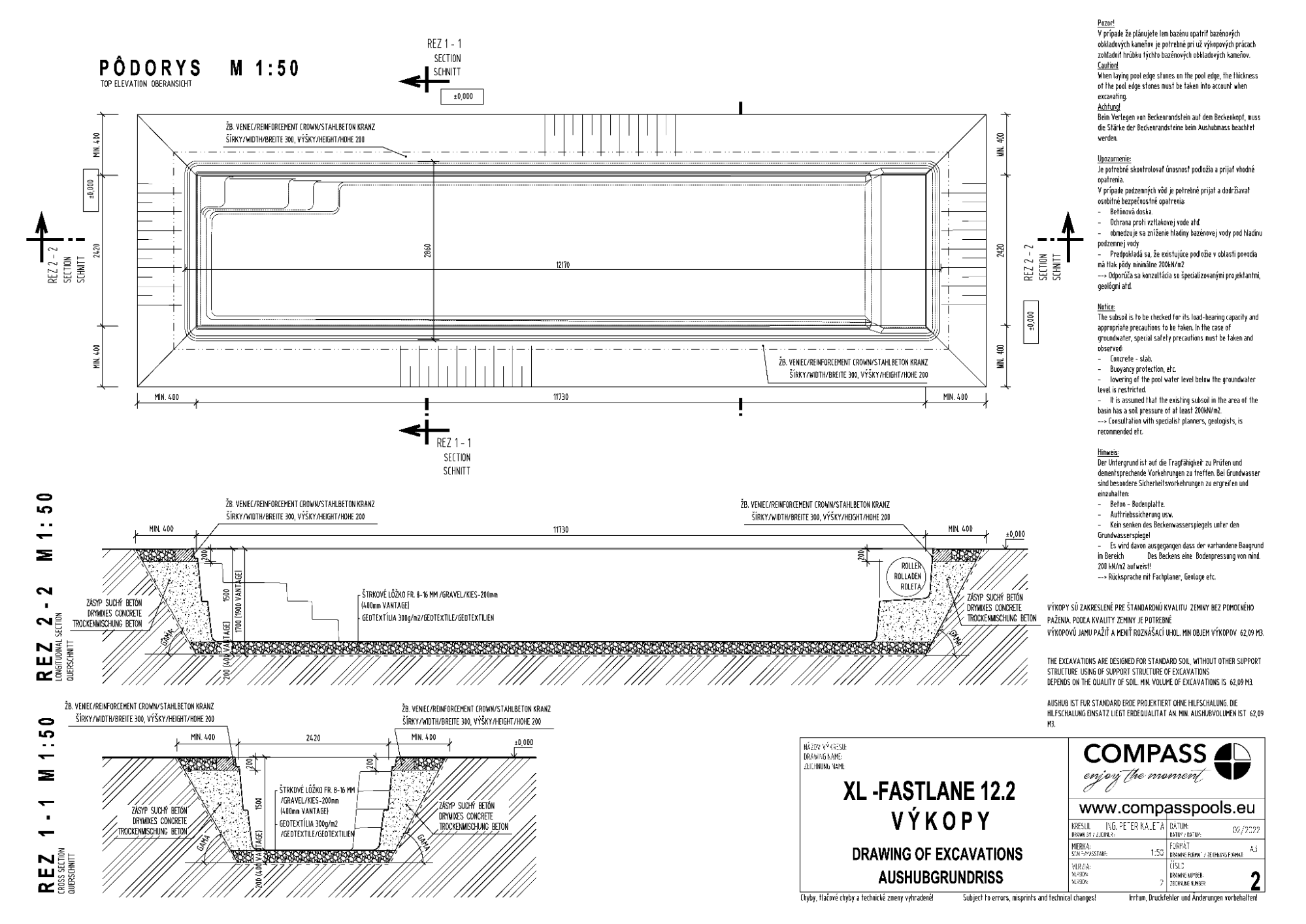
Planning and Design
This phase covers the pool type, size, location, and equipment. It also includes site review, permit checks, and the practical details that connect the pool to the home and the surrounding outdoor space. Strong planning reduces the risk of design changes later, which often slow the project down.
Excavation
Excavation is the first visible step of the build. It reveals whether the site is truly ready, how accessible the area is, and whether the ground may create unexpected challenges. When excavation is done accurately, the rest of the installation can move forward with much more confidence.
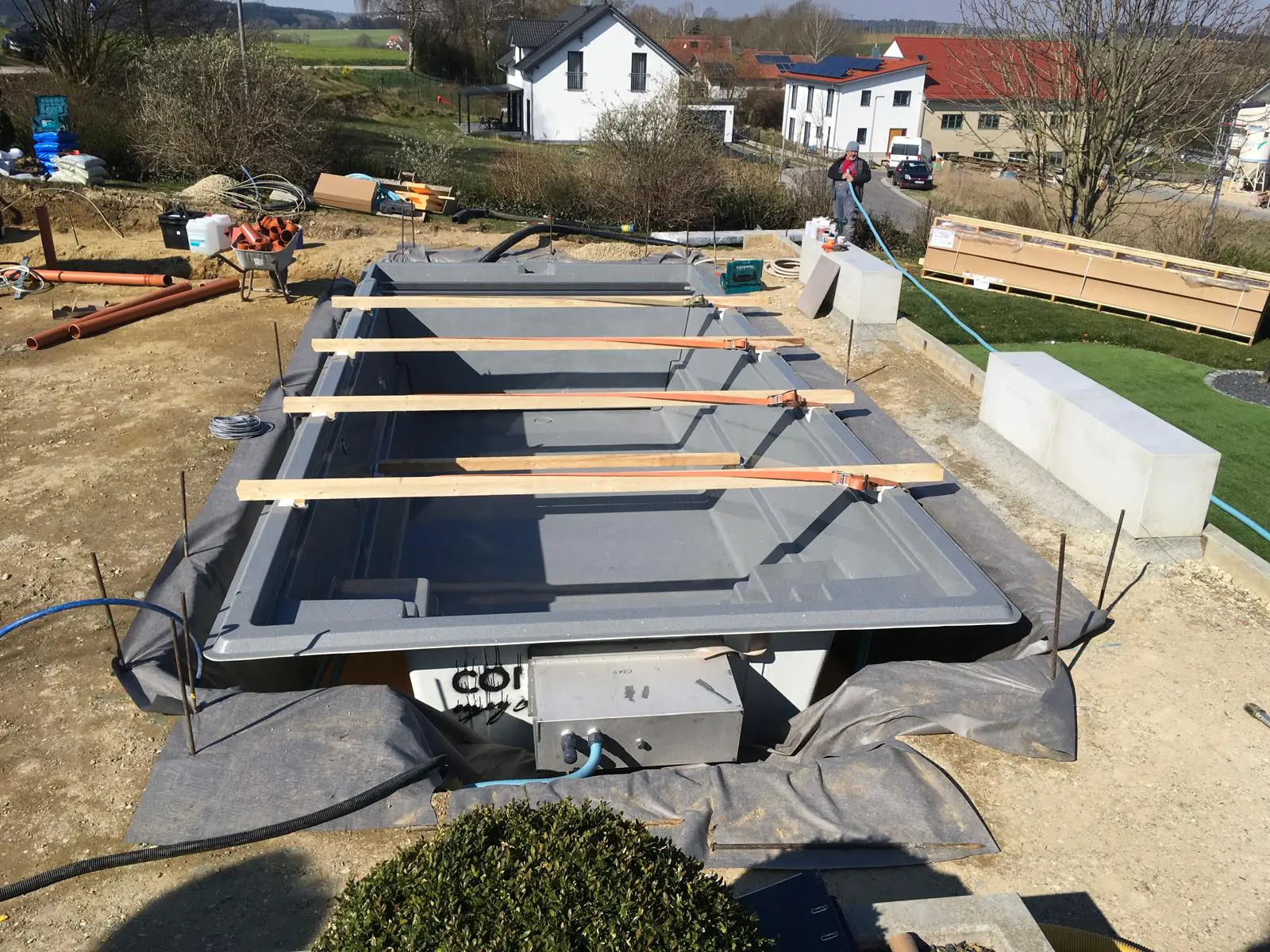
Pool Installation Shell Placement
For a fiberglass pool, shell placement is the key moment in the entire process. The pool arrives as a finished product, so the homeowner can see rapid visual progress in a very short time. Even though this step looks simple, it depends on precise groundwork and correct positioning.
Plumbing and Electrical Work
Once the pool is in place, the technical systems are connected. This includes filtration, water circulation, lighting, heating, and any optional features chosen for the project. The clearer these systems are defined from the beginning, the smoother the installation tends to be.
Backfilling and Finishing
After the technical work is complete, the pool must be stabilized and prepared for the final surrounding surfaces. The area is backfilled, reinforced, and shaped for decking, paving, or terrace work. This phase affects both the final look and the long term structural quality of the project.
Filling the Pool and Final Checks
Filling the pool is one of the most exciting moments in the whole build. Even then, the project still needs final checks for equipment, circulation, and overall readiness. Only after those steps can the pool be considered fully prepared for safe use.
What Factors Affect Pool Installation Time?
Pool construction time is shaped by several factors at once. The pool type matters most, but weather, site access, permits, and project readiness also have a major impact. That is why smart planning always includes some schedule flexibility.
Type of Pool
The pool type has the biggest effect on the installation timeline. A finished fiberglass shell reduces the amount of work that must happen on site, while concrete and other staged builds need more construction phases. Choosing the right type is therefore a time decision as much as a design decision.
Weather Conditions
Weather is one of the most common reasons projects slow down. Rain, frost, and unstable ground can affect excavation, finishing work, and other parts of the construction schedule. Homeowners who build with no buffer in the timeline often end up frustrated.
Site Accessibility
Not every property allows easy equipment access. Narrow entry points, slopes, fences, and nearby structures can all make delivery and installation more complicated. That is why access should be assessed early rather than on the day the pool arrives.
Permits and Regulations
Permits and local rules often determine when the project can actually begin. Some locations move quickly, while others require more paperwork and longer approval times. Handling this part early is one of the simplest ways to avoid unnecessary delays.

Why Fiberglass Pools Are Installed Faster
This is one of the strongest positioning points for Compass Pools. The brand presents ceramic and carbon composite pools made in Europe, a 40 year warranty on selected product pages, and technology features that support both premium use and a more efficient installation experience. For homeowners, that creates a strong connection between design quality and practical speed.
Pre Manufactured Pool Shell
The biggest strength of a fiberglass pool is that it arrives as a finished shell. That removes a large part of the work that would otherwise happen in the yard over a much longer period. As a result, the whole project becomes easier to manage and easier to understand.
Faster Installation Process
A faster process does not only mean fewer weeks on the calendar. It also means better flow between stages and a clearer sense of progress for the homeowner. That is especially valuable for people who want to reduce construction disruption around their home.
Lower Risk of Delays
Every pool project carries some risk, but not all pool types are equally vulnerable to disruption. Fiberglass involves fewer extended wet construction stages and fewer opportunities for timing problems to build up. That usually makes the overall schedule more stable and easier to estimate.
Can Pool Installation Be Delayed?
Yes, pool installation can be delayed even when the project is prepared well. That is normal in a process that depends on construction, logistics, weather, and approvals. What matters most is that the homeowner understands the possible risks from the beginning.
Common Causes of Delays
The most common causes are weather, permits, project changes, and unexpected site conditions. Delays do not always come from one major problem, but often from several smaller issues building up across the schedule. That is why clear coordination matters at every stage.
How to Avoid Delays
The best protection against delays is careful preparation. A clear project scope, early permit work, site access checks, and an experienced installer all make a real difference. When communication is open and the schedule is realistic, the build usually moves more smoothly.
How to Prepare for Pool Installation
Good preparation saves more time than many homeowners expect. It is not only about choosing the right model, but also about preparing the yard, confirming access, and aligning expectations before the crew arrives. That makes the installation faster and far less stressful.
Prepare Your Yard
Before installation starts, the work area should be cleared of obstacles. It also helps to decide where excavated soil and building materials will be placed during the project. A cleaner and more organized site supports a faster build.
Plan Access for Equipment
Equipment access has a direct effect on the pace of the job. If gates are narrow, the terrain is difficult, or the working area is limited, installation may take longer. Solving logistics in advance helps the team focus on the actual build instead of problem solving on site.
Communicate With Your Installer
Clear communication reduces unnecessary confusion. Homeowners should know what must be prepared, who is responsible for each phase, and what happens after the pool is placed. The more that is clarified early, the smoother the overall project tends to be.
When Can You Start Using Your Pool?
This is often the question homeowners care about most. With fiberglass, the first use is usually closer than with traditional alternatives, but it still depends on final checks, system setup, and water readiness. Fast completion matters, but correct preparation matters even more.
Time After Installation
Once installation is complete, the pool may be ready for use fairly quickly. The exact timing depends on whether the equipment is fully set up, the surrounding area is complete, and all safety details are in place. Waiting for full handover is usually smarter than rushing the first swim.
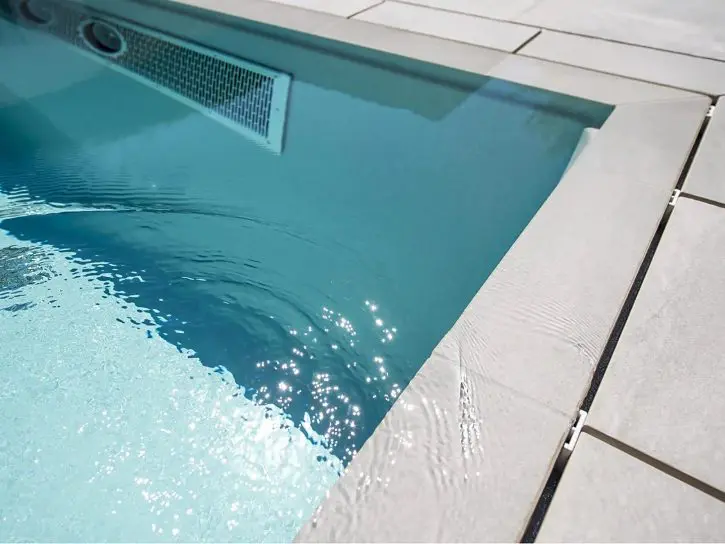
Water Treatment and Setup
Before anyone enters the pool, the water and system must be adjusted correctly. Filtration, circulation, disinfection, and water balance all influence comfort and safety. This step plays a major role in making sure the pool starts well from day one.
Common Mistakes That Slow Down Pool Installation
Many delays begin before installation itself. Weak planning, avoidable design changes, and a poor understanding of site conditions can slow the project down before excavation even starts. That is why preparation deserves just as much attention as product choice.
Poor Planning
If the budget, scope, and technical decisions are unclear, delays appear very quickly. Mid project changes usually affect both timing and cost. A strong pool project begins with structure, not improvisation.
Choosing the Wrong Pool Type
Not every pool fits every property or every homeowner goal. If someone wants fast installation and minimal disruption but chooses a solution with a longer build process, frustration often follows. The right pool type affects not only style, but also speed and overall experience.
Ignoring Site Conditions
A site can either support the project or complicate it. Slope, soil, utility access, and equipment access all need attention from the start. When these factors are assessed early, the risk of unpleasant surprises drops significantly.
Frequently Asked Questions About Pool Installation
When planning a pool, most people focus on timing, process, and potential complications. This section gives clear, practical answers to help you set realistic expectations before the project starts.
How long does it take to install a pool?
In general, fiberglass pools are often ready within a few weeks, vinyl pools also tend to fall within a matter of weeks, and concrete pools often take several months. The exact timing always depends on the specific design, the site, the weather, and local approvals. That is why a project specific estimate is always more useful than a broad average.
What is the fastest type of pool to install?
In most cases, fiberglass is the fastest type of pool to install. The main reason is that it arrives as a finished product rather than being built entirely on site. This shortens the timeline and usually improves predictability as well.
Can a pool be installed in a week?
Under ideal conditions, some projects can come close to that timeline. The site must be fully prepared, access must be simple, and the project must avoid major complications. A realistic schedule with some buffer is still the wiser approach.
What delays pool installation the most?
The most common causes are weather, permits, and site access issues. Close behind those are project changes and weak preparation before construction begins. This is exactly why early planning has such a strong effect on the final completion date.
If you want a realistic timeline for your own property, it is better to move beyond generic promises and look at the actual site conditions. Compass Pools positions itself around ceramic and carbon composite pools made in Europe, Vantage technology, and a premium long term product approach, while listing its European contact point in Senec, Slovakia. The most useful next step is to explore the pool range, review the technology, and request a project specific consultation.