1 min. read
7 Tips for Pool Maintenance During the Season
Green water, unclear chemical dosing, and the feeling that the pool is more of a burden than a pleasure. This is exactly what the reality looks like for many pool owners during the summer season. Just a few days without checking, and the water turns into a murky mess that’s more off-putting than inviting. The good news is that pool maintenance doesn’t have to be complicated or time-consuming. If you set up the right system and use modern technology, you can handle it in just a few minutes a week. The key is to understand the basic principles and stick to them regularly.
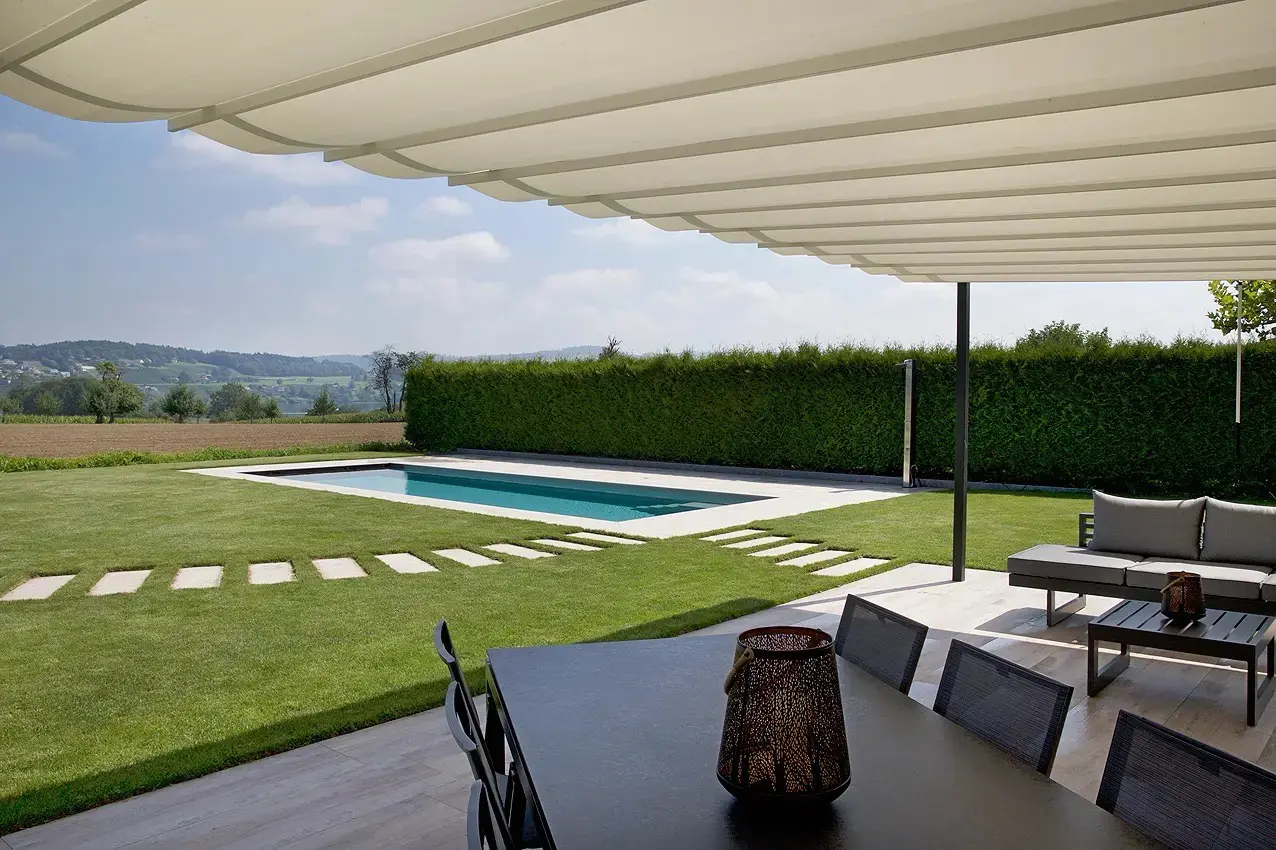
How do you maintain a pool during the season?
Pool maintenance during the season includes regular water filtration, checking the pH and chlorine levels, removing debris, and regularly cleaning the walls and bottom. It is also important to monitor water quality and use appropriate pool chemicals to keep the water clean and safe.
Basic Rules for Pool Maintenance
Pool maintenance rests on three pillars: mechanical cleaning, chemical balance, and effective filtration. When these three elements work together, the water stays clean over the long term without requiring major intervention.
Many people make the mistake of only addressing problems once they arise. However, proper pool care is primarily about prevention. If you follow a simple system, maintenance will become a routine that doesn’t weigh you down.

1. Filtration is the key to clean water
Pool filtration ensures water circulation and removes impurities that are often invisible to the naked eye. Without it, the water quickly becomes contaminated and loses its quality.
The basic rule is simple. The entire volume of water should be filtered at least twice a day. For smaller pools, this means a few hours a day; for larger ones, even more. Whether you use sand or cartridge filtration, consistency and proper setup are key.
2. Proper pH and chlorine levels: the foundation of water balance
Chlorine in a swimming pool only works if the water has the correct pH level. If the pH is outside the ideal range, the water will no longer be properly disinfected and will begin to deteriorate.
You don’t need to be a chemist. Just test your water regularly using simple test kits and adjust the levels as needed. The right balance means clean, odor-free water that doesn’t irritate the skin.
What should the pH level of the pool water be?
The ideal pH level for pool water is between 7.0 and 7.4. This range ensures that the chlorine works effectively, prevents skin and eye irritation, and protects pool equipment from damage.

3. Regular pool cleaning
Pool cleaning involves more than just skimming leaves off the surface. It is a comprehensive maintenance routine that also includes the pool walls and floor.
You can choose between manual cleaning and automated solutions. Dustpans and brushes are the basics, but manual or robotic vacuums can save you a significant amount of time. The key is not to wait until a large amount of dirt has accumulated.
4. How often should you clean the pool?
The biggest mistake is trying to do everything at once. Maintenance works best when you break it down into smaller, regular steps.
How often should you maintain your pool:
- Daily: Remove large debris from the water’s surface, such as leaves and insects.
- 2 to 3 times a week: Check the pH and chlorine or salt levels.
- Once a week: Vacuuming the pool floor and cleaning the pool walls.
- Ongoing: Check and flush the filtration system.
This system will ensure that maintenance doesn’t become a burden and will help you avoid major problems.
5. Preventing Problems: Avoid Green Water
Green water doesn’t just happen by chance. It’s usually caused by a combination of high temperature, inadequate filtration, and improper pH levels.
After a storm or heavy use of the pool, it is advisable to add a shock dose of chlorine and check all water parameters. Regular pool water maintenance means you can address issues before they escalate.
Why does the water in the pool go bad?
Pool water deteriorates mainly due to insufficient filtration, incorrect pH levels, low chlorine levels, or high levels of contamination caused by factors such as storms, high temperatures, or a large number of swimmers. Regular maintenance and monitoring of water parameters are key to preventing problems.
6. Modern technologies that make maintenance easier
Today’s ceramic pools are no longer about manual labor. Modern solutions can automate most tasks and significantly reduce the amount of maintenance required.
Among the most popular are salt chlorination systems, automatic chemical and pH dispensers, and robotic pool cleaners. Plus, smart mobile control lets you monitor your pool remotely. It is these technologies that make pool maintenance a simple process.
7. The Most Common Pool Maintenance Mistakes
The most common mistake is ignoring the pH level. People add chlorine, but the water stays green because the problem lies elsewhere. Without the right pH level, chlorine simply doesn’t work.
Another mistake is turning off the filtration system to save energy. However, short-term savings lead to long-term problems. It is equally ineffective to address problems on an ad hoc basis rather than through regular preventive maintenance.
Conclusion: You don’t need to worry about pool maintenance
Pool maintenance doesn’t have to be a burden. If you establish a simple routine and stick to it, maintenance will become a natural part of your week.
Clean water is the result of small, regular steps. When you combine them with the right technology, you’ll have more time for what matters most: relaxation and the joy of water.
Frequently Asked Questions (FAQ)
How do you properly maintain a pool?
The key is a combination of three factors: regular filtration, mechanical removal of debris, and maintaining proper chemical levels, such as pH and disinfection.
How often should you change the water in the pool?
With proper maintenance, the water does not need to be changed during the season. Simply top it off to account for evaporation and to clean the filter, and partially drain it before winter.
How much chlorine should I put in the pool?
The exact dosage depends on the pool volume and the form of chlorine. The goal is to maintain the free chlorine level between 0.3 and 0.5 mg per liter.
Why is the water in the pool green?
Green water indicates the presence of algae. It most often occurs when the pH is above 7.4 or when filtration is insufficient in hot weather.